


Global child labour has declined significantly over the past two decades, yet progress remains too slow to achieve global commitments under the 2030 Agenda. The latest global estimates by UNICEF/ILO (2024) indicate that 138 million children are engaged in child labour worldwide, including 54 million in hazardous work. While this represents over 100 million fewer children in child labour since 2000, the world has missed the 2025 SDG 8.7 target, and the current pace of reduction must increase by eleven-fold to eliminate child labour by 2030.
Reliable, timely and disaggregated data are essential to inform evidence-based policies, strengthen systems, and ensure accountability for children’s rights. However, data on child labour continue to suffer from major gaps. Many countries lack recent or high-quality surveys; hazardous and informal work is under-reported; and the worst forms of child labour remain largely invisible in household surveys. These gaps limit the ability of governments and partners to identify at-risk children, monitor trends, and prioritize investments.
Strengthening data systems is foundational to accelerating progress. Countries require more granular, subnational data to target high-risk communities; improved measurement of hazardous, seasonal and informal child labour; and enhanced analytical tools such as small-area estimation. Without substantial improvements in data availability, quality and use, the world will be even further off track to end child labour. Governments and partners must invest in stronger national data systems, expand the evidence base, and enhance the visibility of children most at risk. Accelerating progress toward SDG 8.7 requires a renewed commitment to high-quality, child-centred data that drives action, safeguards children’s rights, and delivers on the promise of the 2030 Agenda.
This session will bring together representatives from selected countries and sectors to discuss strategies required to increase the quality, availability and use of child labour statistics.
 .
. 

Federico Blanco
Head of Research and Evaluation of ILO-FUNDAMENTALS
International Labour Organization (ILO)



Florencia Suau
Head of the Department of Education, Technology and Productive Innovation
Unión Industrial Argentina

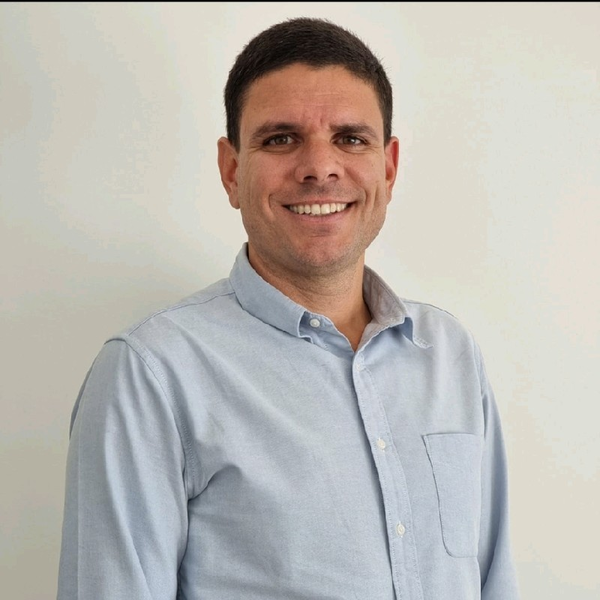
Luiz Henrique Ramos Lopes
Deputy Secretary of the Labour Inspection Secretariat
Ministry of Labour and Employment - Brazil

Afrooz Kaviani Johnson
Child Protection Specialist
United Nations Children's Fund (UNICEF)